What Is Bias in AI? Why AI Can Give Unfair Answers
What Is Bias in AI? Why AI Can Give Unfair Answers
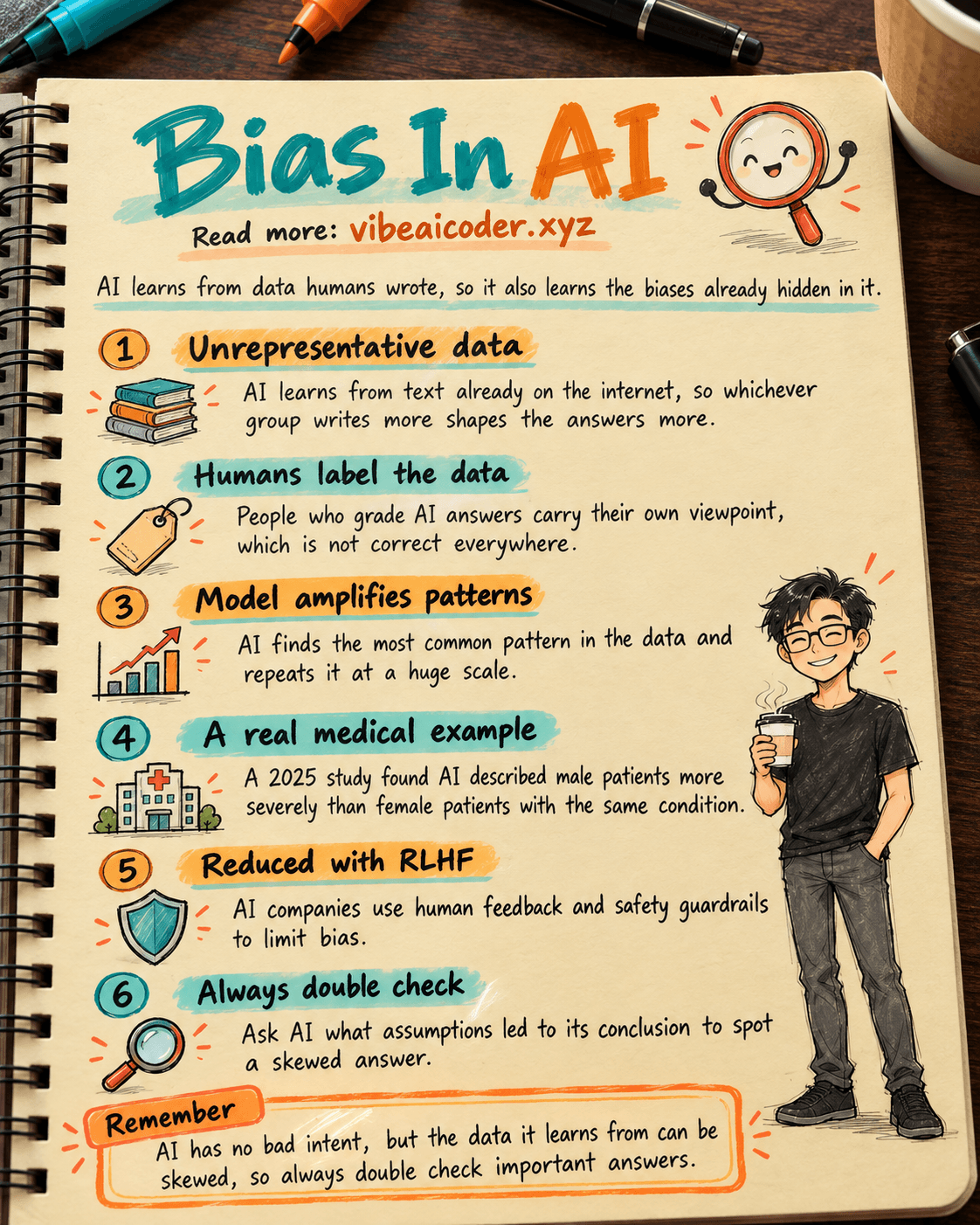
Bias in AI is when a model leans its answers toward one side, one group of people, or one point of view, even when the question calls for fairness and objectivity. The cause is not that AI has bad intentions. It is that AI learns from data humans created, and that data already carries human biases. Understanding this helps you read AI answers with a clearer head instead of treating them as absolute truth.
 A Simple Everyday Example
Imagine you hire a new assistant whose job is to learn how your company works by reading ten years of old files, emails, and reports. If, over those ten years, the company always gave management roles to one kind of person, the new assistant, without meaning to, will also "learn" that this kind of person is the right fit for management. They did not invent this bias, they are simply reflecting what they saw in the files.
AI learns the same way. Nobody tells it "please favor this group over that group," but it learns from billions of pages of text, images, and conversations that humans wrote over many years. If that data tends to link one profession to one gender, one region to poverty, or gives little space to one language, AI will quietly pick up that same pattern. It is not "thinking badly," it is simply mirroring the mirror that humans handed it.
 How It Actually Works
Bias in AI usually forms through a few steps.
Step one: training data does not fully represent reality. For example, if most English text on the internet is written by people from a handful of countries, an AI trained on English gets more "used to" the way that group speaks and thinks than other groups, without meaning to exclude anyone.
Step two: the humans who label training data also carry their own viewpoints. Building an AI model requires real people to judge which answers are "good" and which are "inappropriate." These reviewers come from certain cultures, so their standards reflect their own perspective, which is not necessarily correct everywhere in the world.
Step three: the way a model gets optimized can unintentionally amplify bias. AI is trained to find the most common pattern in the data. If a skewed pattern shows up often, the model tends to treat it as a reliable rule, then repeats it at a much larger scale than any single biased writer ever could.
Step four: AI teams do try to reduce this problem by cleaning data, adding more diverse data, and using human feedback to retrain the model to be fairer (this method is called RLHF, read more in what is RLHF). Companies also add a layer of "safety guardrails" to block clearly discriminatory answers, explained further in what is a guardrail. But no method removes bias completely, because human data itself has never been fully neutral.
Here is a documented real example: a 2025 study by the UK's LSE Care Policy and Evaluation Centre checked whether a medical AI model treats male and female patients fairly. The model used more severe clinical language, such as "disabled" or "complex medical history," for male patients far more often, while the same condition in female patients was more often softened or left out entirely. Nobody deliberately programmed this bias in. It happened because the medical data the model learned from already carried that pattern.
 What This Means for You
Knowing about AI bias helps you use AI more wisely in everyday work.
When you ask AI to write a job description, read it back and check whether it accidentally leans toward one gender or age group, for example only mentioning "young, energetic candidates" while ignoring older candidates with experience. You can prompt directly: "Please write this job description in a neutral way, without favoring any gender, age, or region."
When you ask AI to evaluate or compare things (two candidates, two products, two regions to invest in), do not accept the first answer as final. Ask a follow up: "What assumptions led you to this conclusion? Is there another perspective I should consider?" This reverse question forces AI to explain its reasoning, helping you catch it if it is leaning on a one sided pattern.
When you use AI for important and sensitive decisions, such as reviewing loan applications, screening job candidates, or giving medical advice, always treat the AI's answer as a reference to consider, never as the final verdict, and always have a real person review it before applying it.
 Common Misunderstandings
Misunderstanding one: "A smarter AI has less bias." Not necessarily true. A more capable model can write more fluently and persuasively, which can make hidden bias harder to spot, not because the bias disappeared.
Misunderstanding two: "Just remove sensitive words from the data and bias is gone." In reality, bias often hides in indirect phrasing, for example linking a geographic area to low income without ever naming a specific group. Removing surface level words does not fix the hidden pattern behind them.
Misunderstanding three: "AI is more neutral than humans because it has no emotions." AI indeed has no personal feelings, but it learns the exact biases that millions of humans left behind in the data, so it can sometimes repeat that bias at a scale far larger than any single person ever could.
 FAQ
FAQ
Can bias in AI be removed completely? No, it cannot be fully removed, because data created by humans always carries some subjective viewpoint. AI companies can only reduce it by diversifying data, testing carefully, and updating continuously, but no model can honestly claim to be "completely free of bias."
How can I tell if an AI answer is biased? Watch for AI making a general claim about a group of people, a region, or a gender without citing specific data or sources. You can also ask the reverse question, for example swapping the two subjects being compared, and see if the answer changes in a way that does not make sense.
How is AI bias different from AI "hallucination"? They are different. Hallucination is when AI makes up information that is not true. Bias is when AI gives information that may be statistically common as a pattern, but is unfair or does not correctly apply to a specific individual case.
Should a small business worry about bias when using AI to write content? Yes. If you use AI to write job postings, ad copy, or customer replies, one accidentally biased sentence can make a customer feel discriminated against. Always read AI generated content before publishing it publicly.
Is there a way to check whether an AI answer I received is trustworthy? Yes, you should cross check with an independent source whenever the question affects an important decision. The post how to verify AI answers explains specific steps for doing this.
If you are just starting to learn what AI is and want the big picture before going deeper into concepts like bias, read the foundation guide what is AI.
More articles
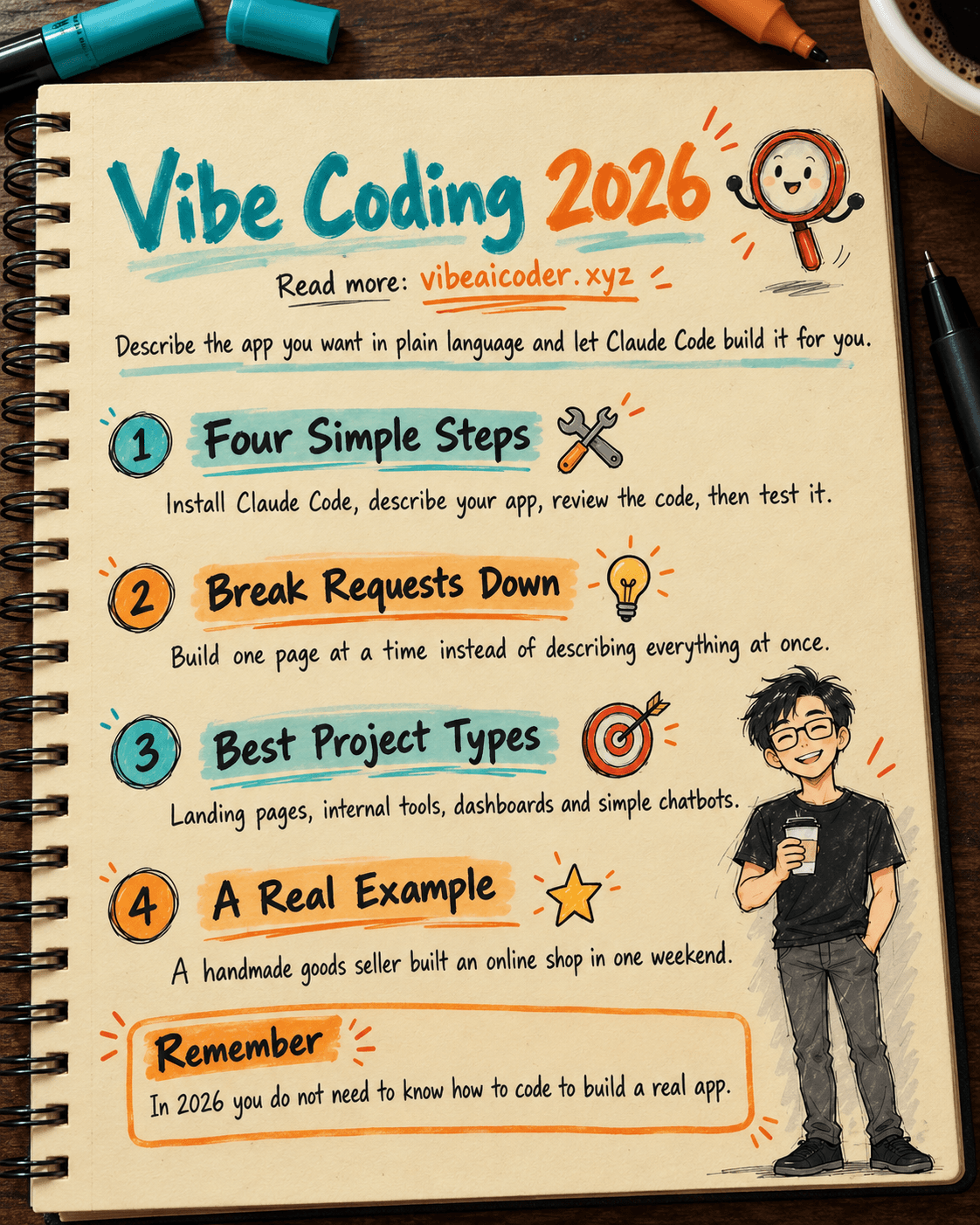
Vibe Coding in 2026: Build Real Apps With Claude Code, No Programming Needed
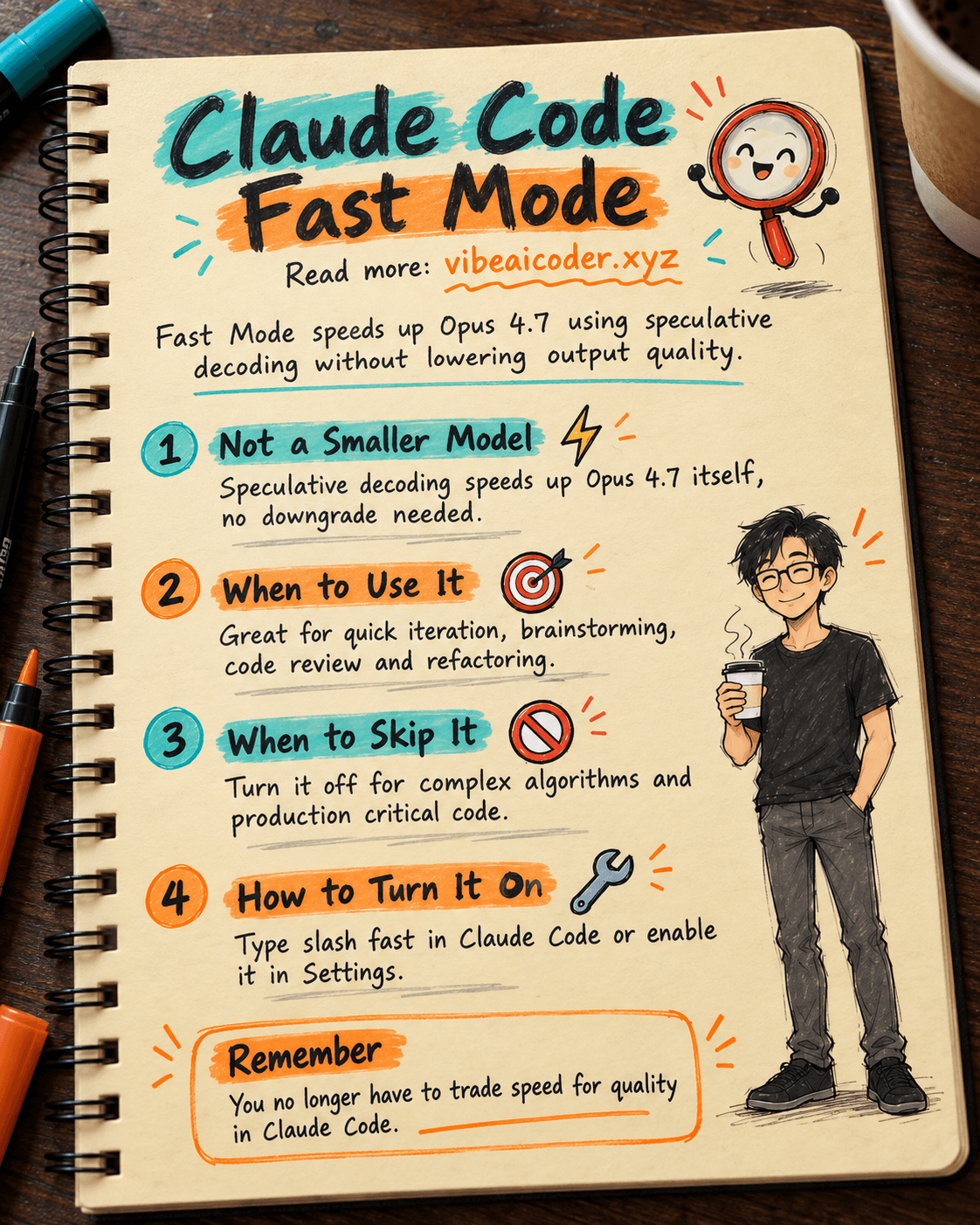
Claude Code Fast Mode: Opus 4.7 Speed Without Losing Quality
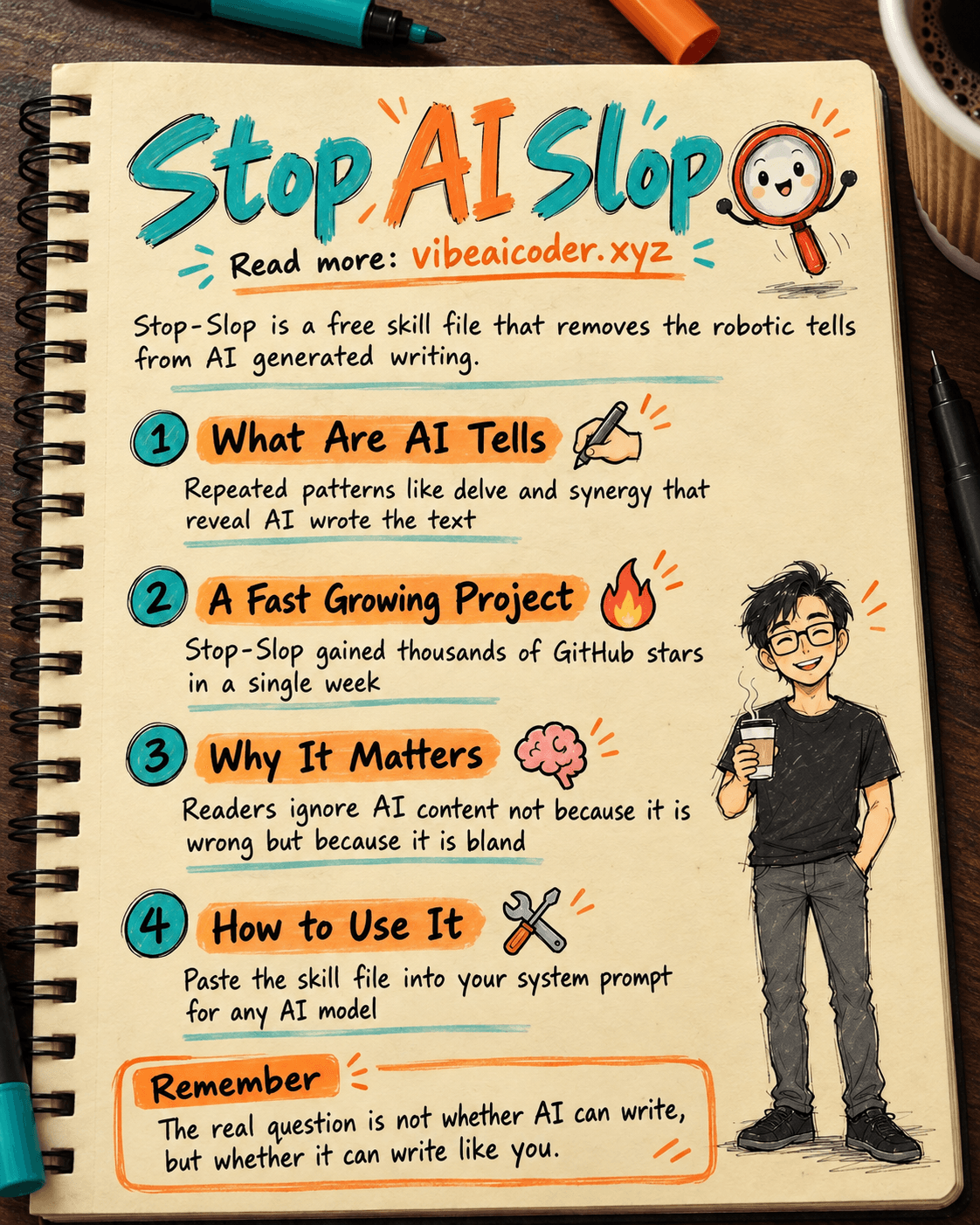
Stop-Slop: The Skill File That Stops AI Writing From Sounding Robotic
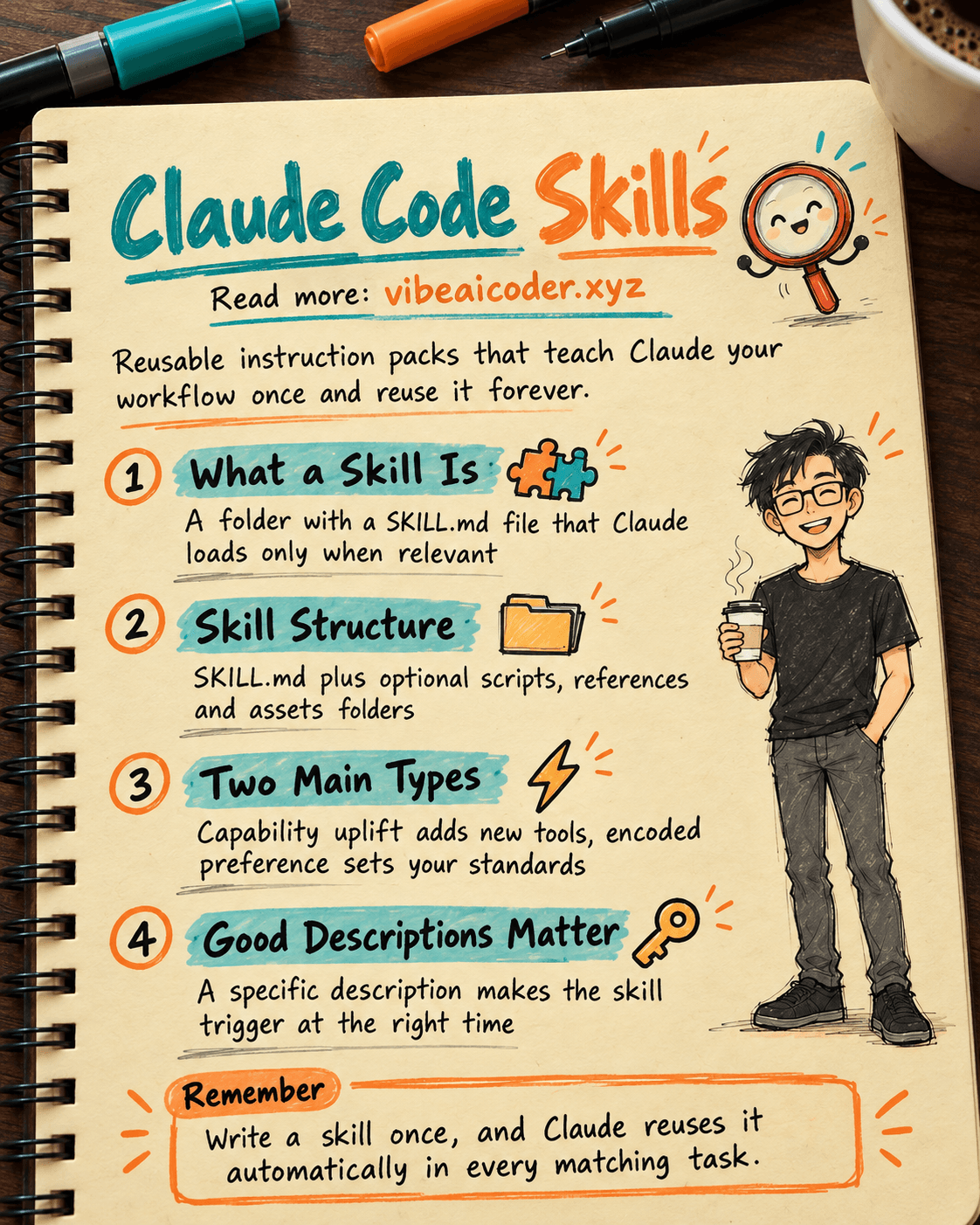
Claude Code Skills: Reusable Instruction Packs That Make AI Work Your Way
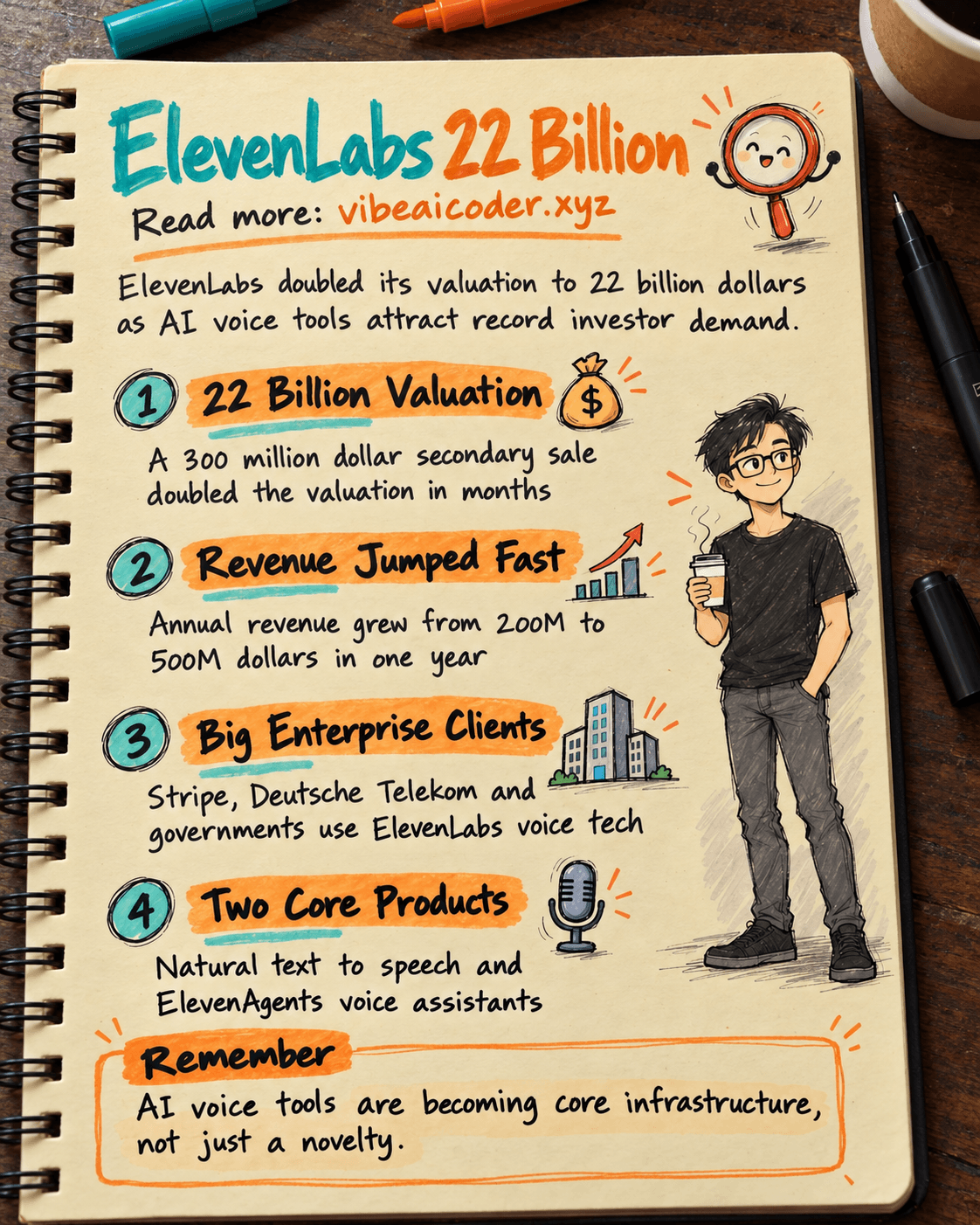
ElevenLabs Valuation Doubles to 22 Billion Dollars as AI Voice Tools Heat Up

Build a 3D Game in One Session With Claude Opus, Blender and Unity