What Are Claude Managed Agents? Build AI Agents in Days
What Are Claude Managed Agents? Build AI Agents in Days
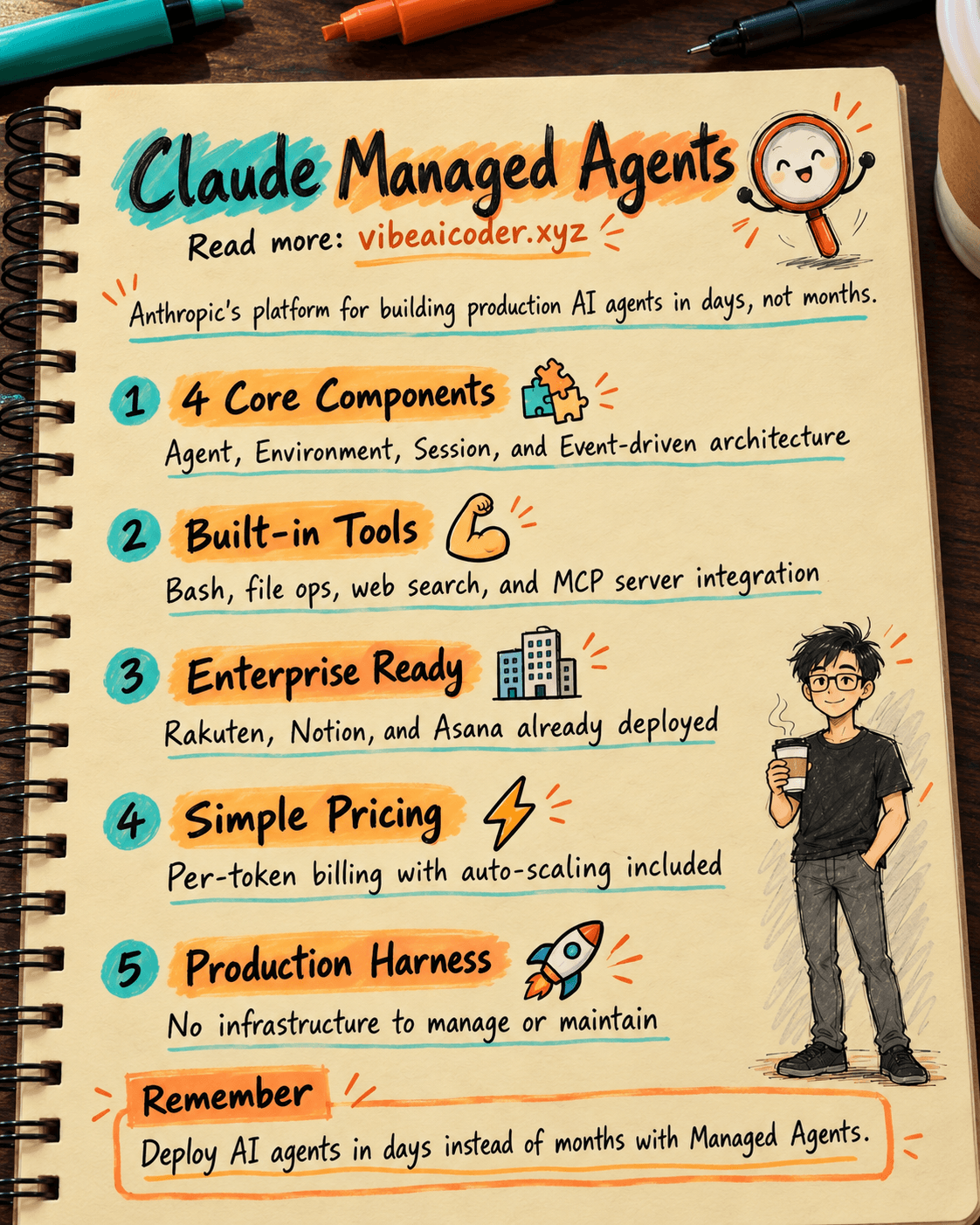
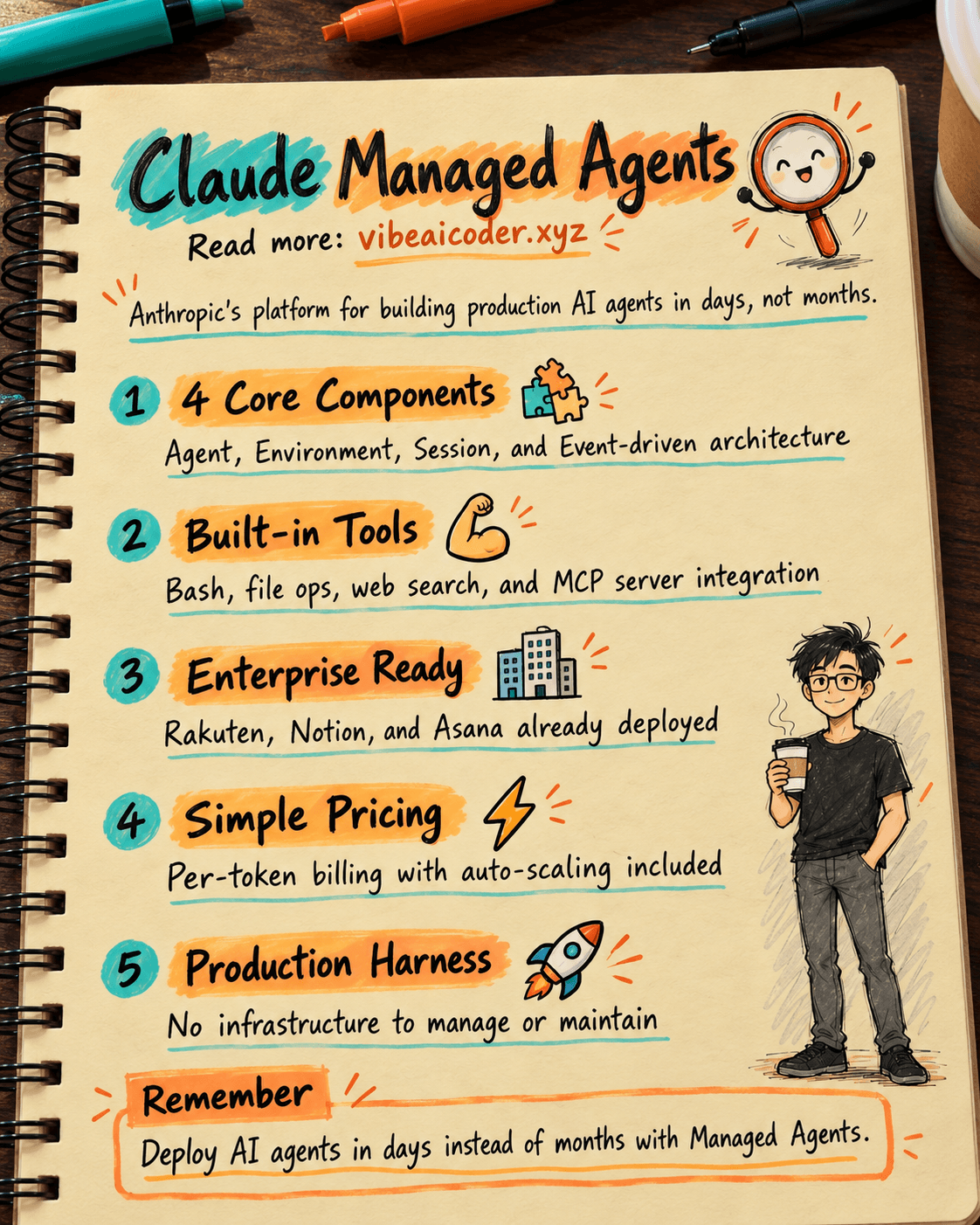
Anthropic just released something developers building AI have been waiting for. On April 8, 2026, Claude Managed Agents officially launched in Public Beta, completely changing how we build AI agents.
 What Are Claude Managed Agents?
Simply put, this is an "agent harness" optimized by Anthropic and running on their infrastructure. Before, building an AI agent meant handling agent loops, tool execution, sandboxing, and runtime yourself. Now you just define your agent (pick a model, write a system prompt, attach tools, connect MCP servers), and Anthropic handles the rest. Your agent can read files, run bash commands, browse the web, execute code in secure containers. Deployment time dropped from months to just days.
 4 Core Architecture Components
Agent is where you configure the model and tools. Environment is a container template with packages and network. Session is a specific run of an agent. Events are the message stream between your app and the agent via SSE streaming. Developers create agents via /v1/agents, environments via /v1/environments, then launch sessions via /v1/sessions. The SDK supports Python, TypeScript, Go, Java, C#, Ruby, PHP plus the CLI tool "ant".
💪 Strengths That Excite Developers
Agents run continuously for hours handling many tool calls, with sessions persisting even on connection drops. Prompt caching and compaction are built in to optimize performance. Built in tools include Bash, file operations, web search and fetch, and MCP servers. Advanced features like Outcomes, Multiagent, Memory are in Research Preview.
 Major Companies Already Deployed
Rakuten deployed agents across 5 departments (product, sales, marketing, finance, HR), each taking just 1 week. Notion integrated Claude into workspaces for engineers and knowledge workers to collaborate. Asana built "AI Teammates" working alongside humans in project management workflows. The rapid adoption proves this platform is truly production ready.
 Pricing and Comparison with Other Frameworks
Pricing is per token via API: Opus 4.6 ($5/$25), Sonnet 4.6 ($3/$15), Haiku 4.5 ($1/$5 per million tokens). Rate limits are 60 requests per minute for creates, 600 requests per minute for reads. Compared to LangChain or CrewAI, the biggest difference is zero infrastructure to manage. Your sandbox, scaling, and monitoring are all built in. This is the first true "Agents-as-a-Service" from a major LLM provider.
Are you ready to move from building agents yourself to using Managed Agents?
More articles
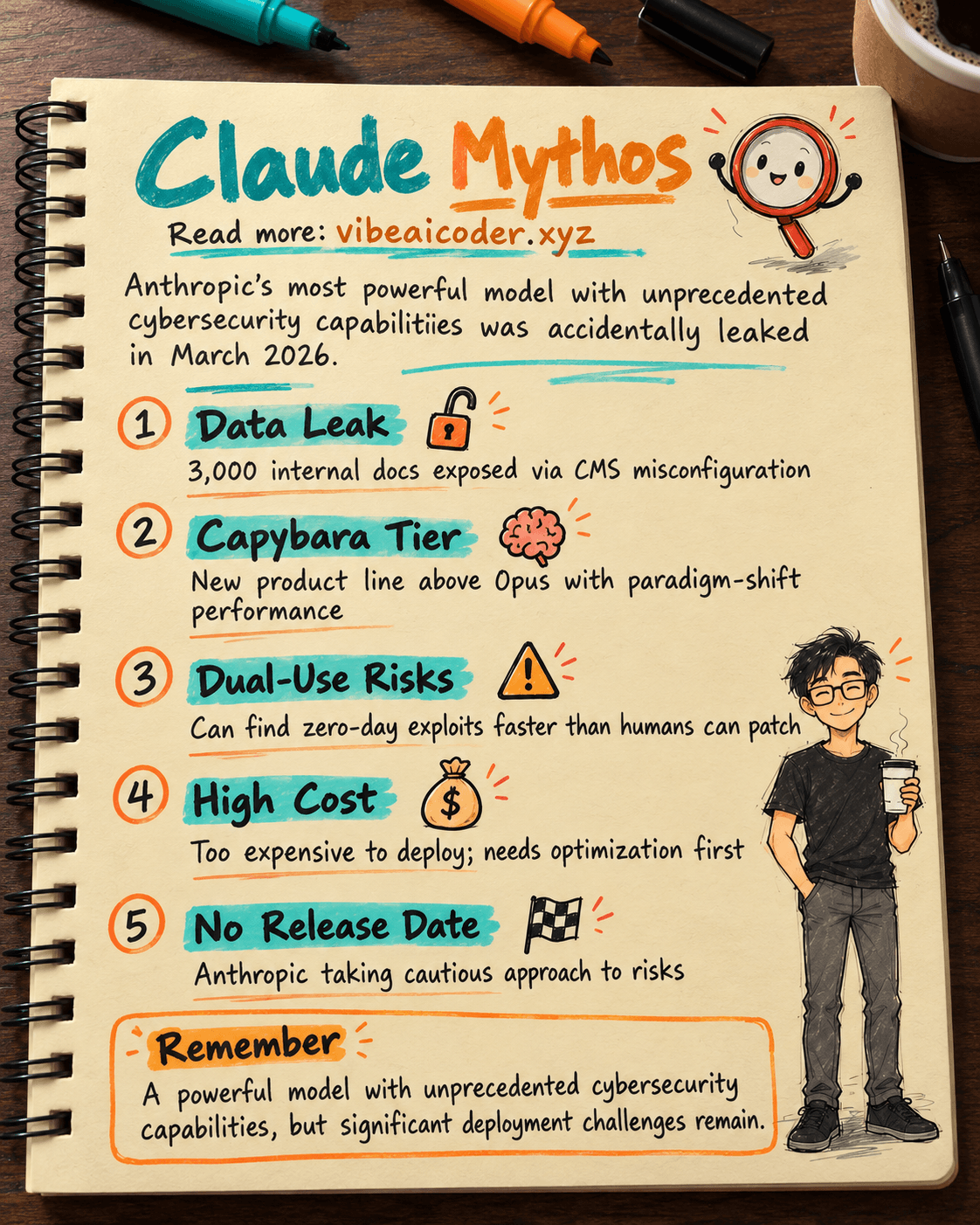
Claude Mythos Leaked: Anthropic's Most Powerful AI Model with Unprecedented Cybersecurity Risks
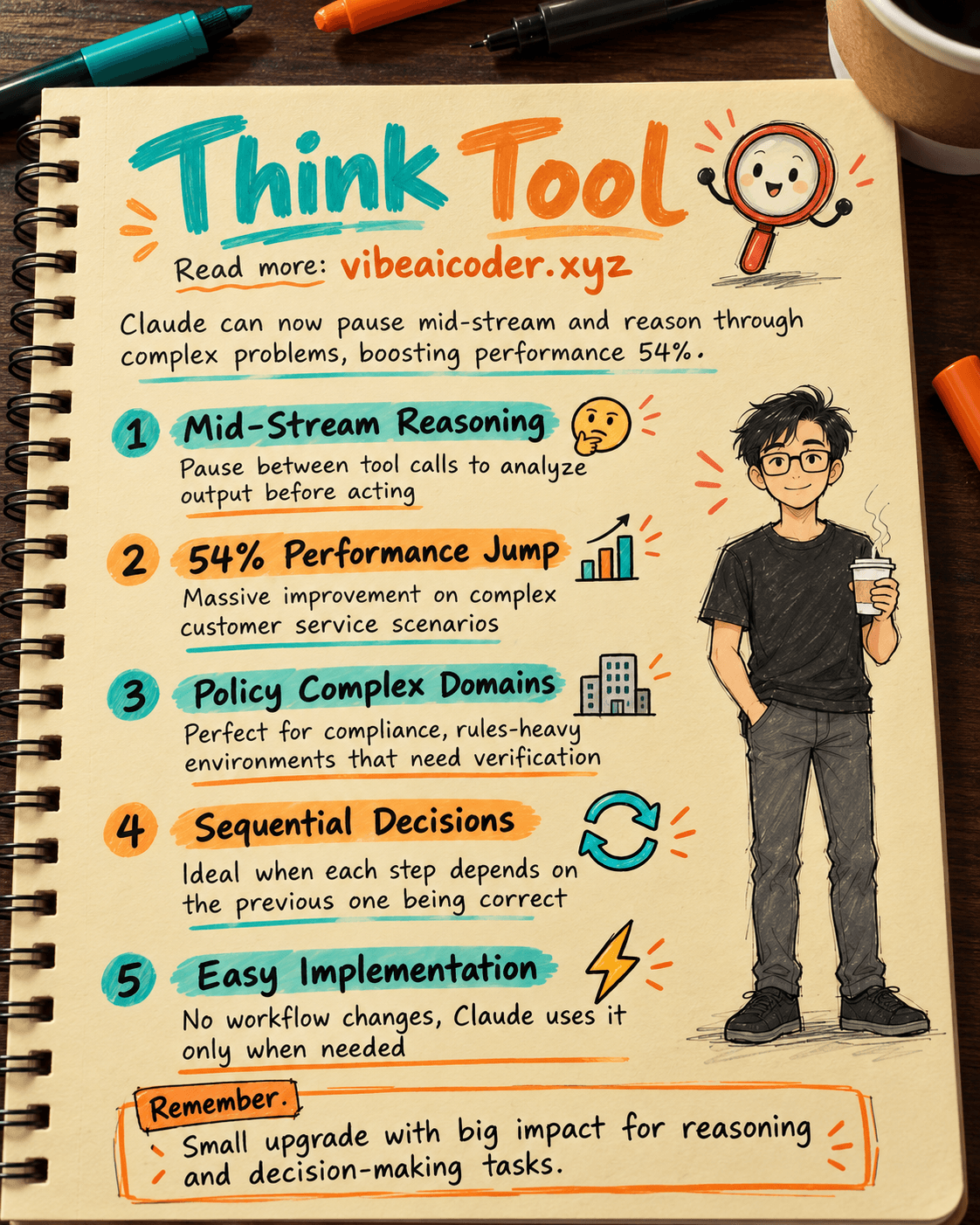
Think Tool: Making Claude Pause and Reason Mid-Stream, 54% Boost
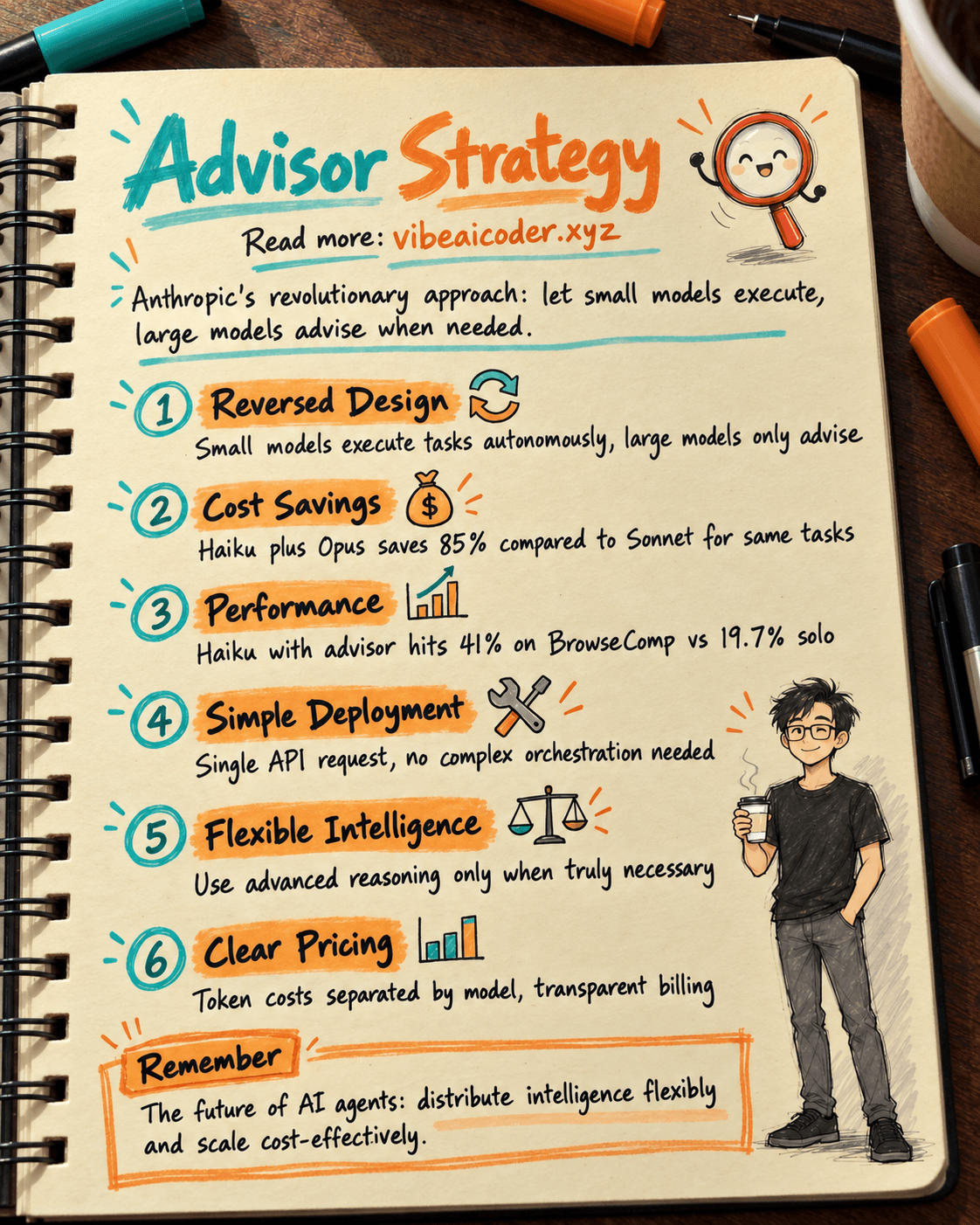
Advisor Strategy: How Anthropic Lets Small AI Models Run Autonomously
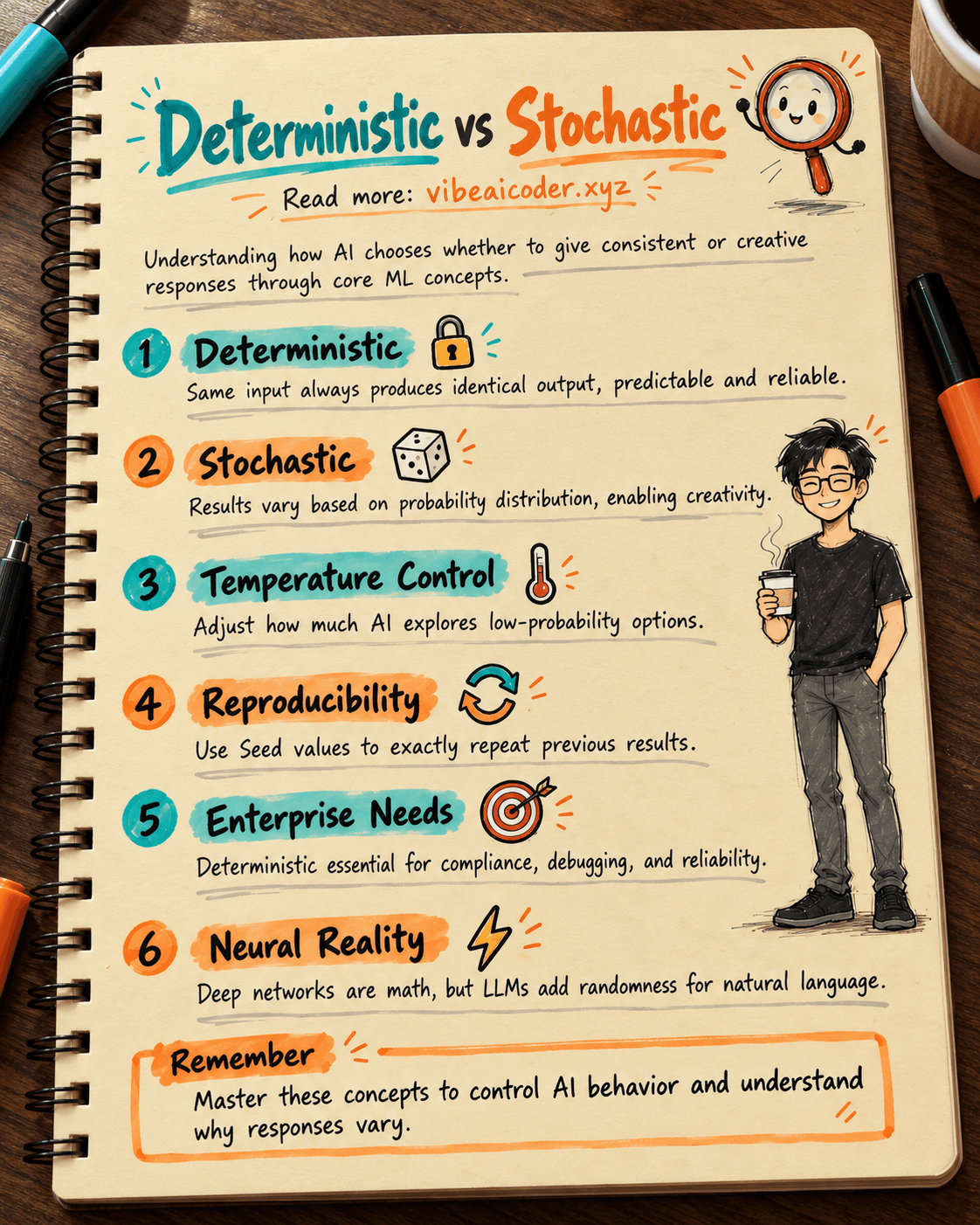
Deterministic vs Stochastic in AI: Two Concepts That Define How AI Answers You
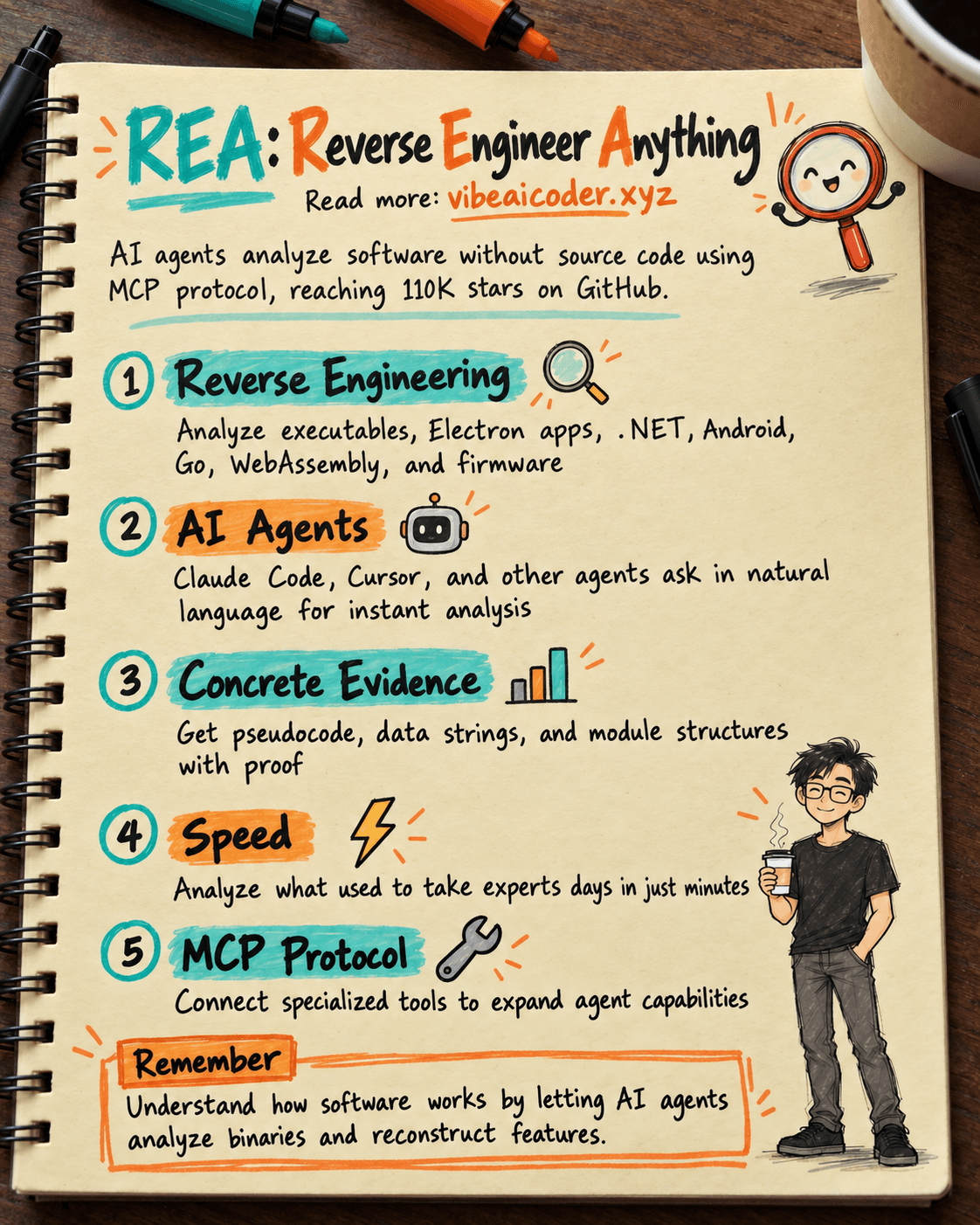
REA: AI Reverse Engineers Software Without Source Code, Hits 25K Stars
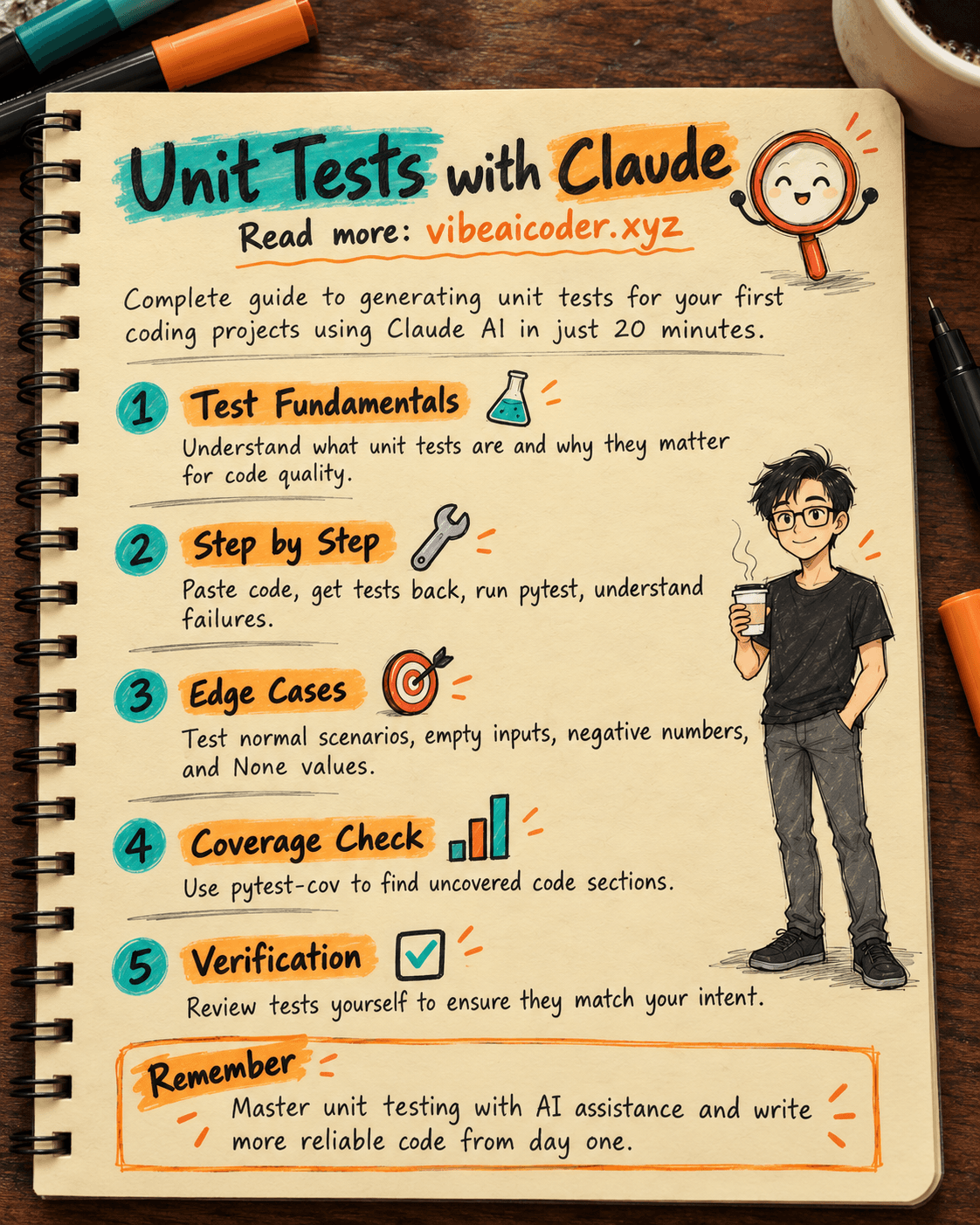
Write Unit Tests with Claude: Complete Guide for Your First Project in 20 Minutes