Advisor Strategy: How Anthropic Lets Small AI Models Run Autonomously
Advisor Strategy: How Anthropic Lets Smaller AI Models Run Autonomously While Larger Models Advise Only When Needed
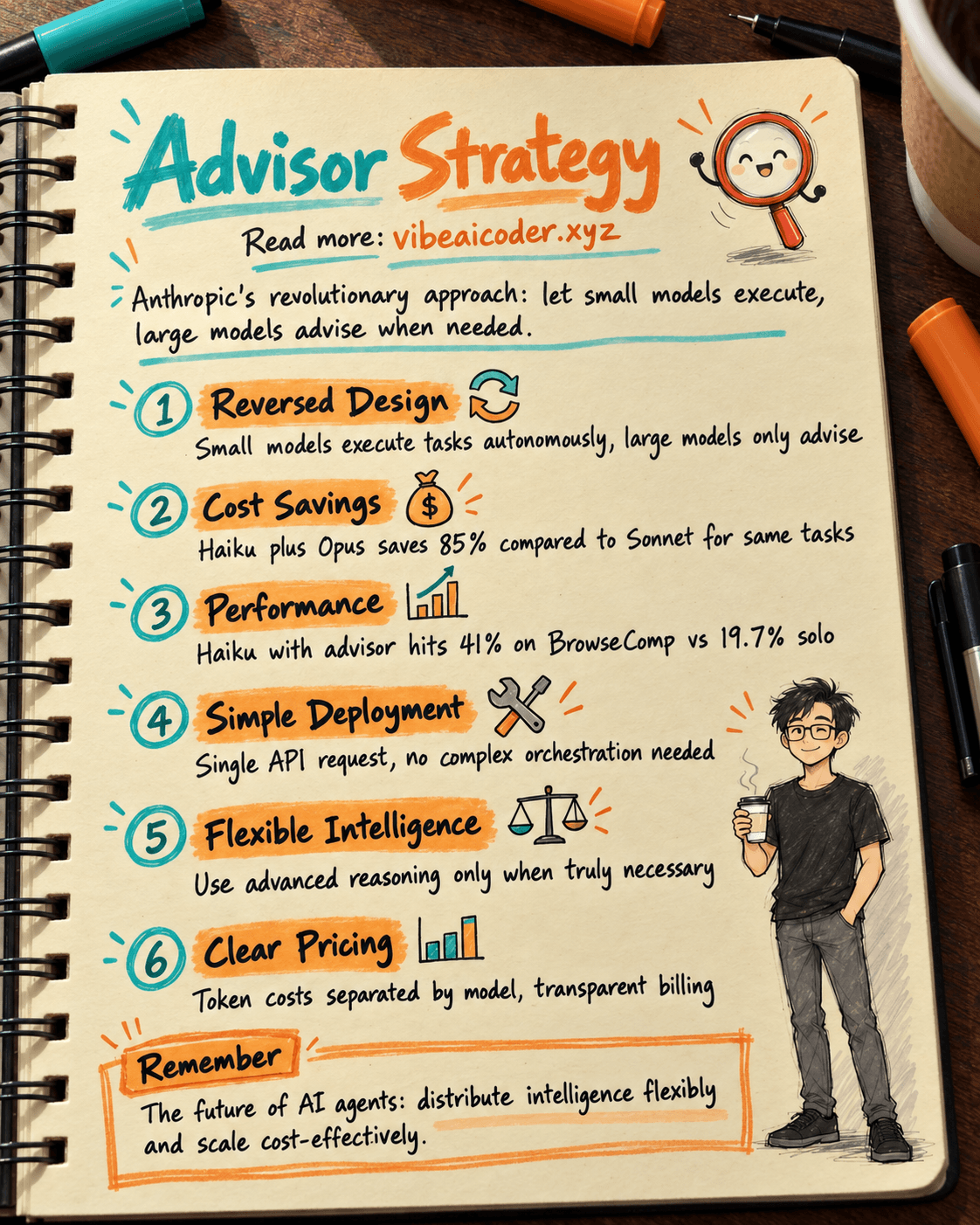
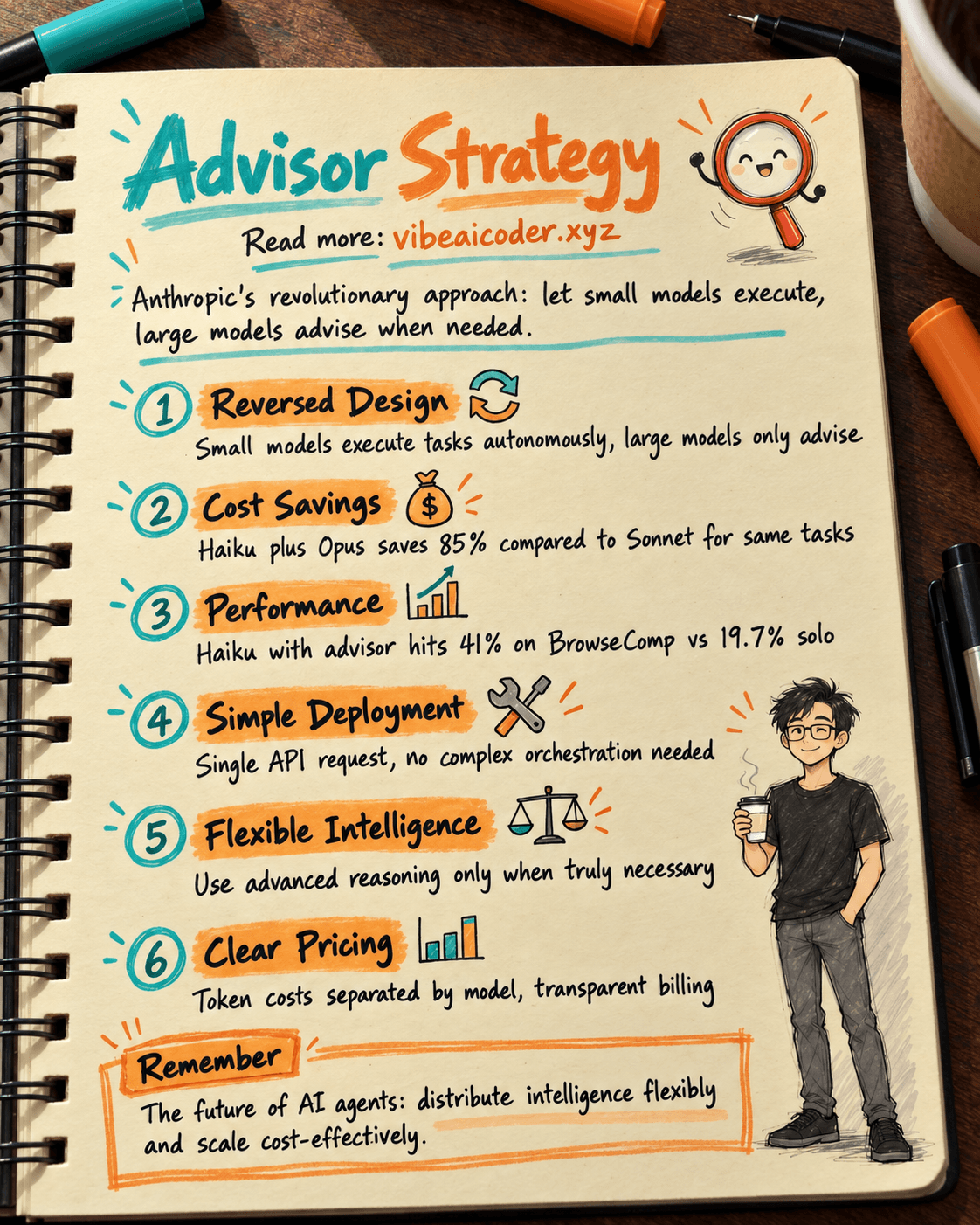
Can you imagine it? Instead of letting expensive AI do everything, Anthropic just flipped the game. Let small models run autonomously, with large models acting as advisors only when truly necessary.
Completely Reversed Approach
Everyone used to think: the large model delegates work to smaller models. But Advisor Strategy does the exact opposite. Smaller models like Sonnet or Haiku play the executor role, running tasks completely from start to finish. They call tools, read results, iterate until done. Only when facing a difficult decision or getting stuck do they call up Opus for guidance. Opus never calls tools directly, never creates output for users, just provides guidance and hands control back to the executor.
Benchmarks Tell the Story
Numbers don't lie. Sonnet plus Opus advisor gains 2.7 points on SWE-bench Multilingual compared to solo Sonnet, while reducing costs by 11.9% per task. Even more impressive, Haiku plus Opus advisor achieves 41.2% on BrowseComp, double the 19.7% when Haiku runs alone. And the best part? Save up to 85% in costs compared to using Sonnet for the same task. Haiku 5.5 itself is strong enough to handle most tasks without an advisor, with detailed comparisons of real-world strength and cost.
The Secret to Keeping Costs Down
Why is the advisor so cheap? Because each time it's called, Opus only generates about 400 to 700 output tokens. It doesn't need to run long, just gives short guidance and lets the executor continue. You can even use max_uses to limit how many times you call the advisor, controlling your budget completely. Advisor tokens are billed at advisor model rates, executor tokens at executor rates. Clear and transparent.
Extremely Simple Deployment
This is what I like most. The advisor tool integrates through the Messages API with just a single request, no extra round-trips needed. No complex setup required, no separate orchestration layer. You simply declare the advisor tool in your request, choose which model is the executor and which is the advisor, and let the system handle the rest.
The Future of Large-Scale AI Agents
Advisor Strategy opens an entirely new approach to building AI agent systems. Instead of throwing money at the most expensive model for everything, you distribute intelligence flexibly. Advanced reasoning is used only when truly necessary, while smaller models handle the rest. This is how you scale AI agents while maintaining both capability and efficiency.
What do you think of this approach? Is this the future of building AI agents?
#LearnOnTikTok #AIAgent #Anthropic #AdvisorStrategy #ClaudeAI
More articles
Deterministic vs Stochastic in AI: Two Concepts That Define How AI Answers You
REA: AI Reverse Engineers Software Without Source Code, Hits 25K Stars
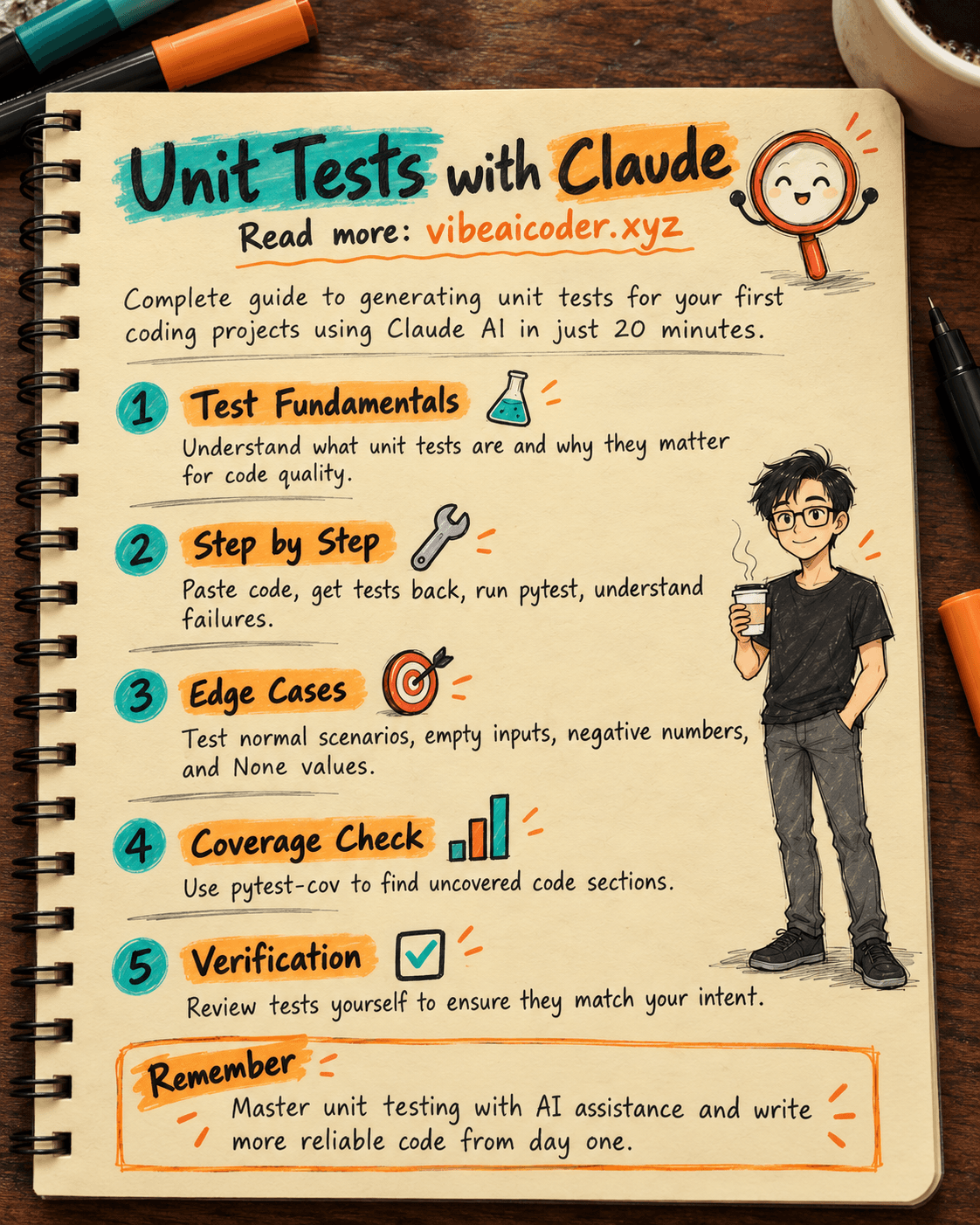
Write Unit Tests with Claude: Complete Guide for Your First Project in 20 Minutes
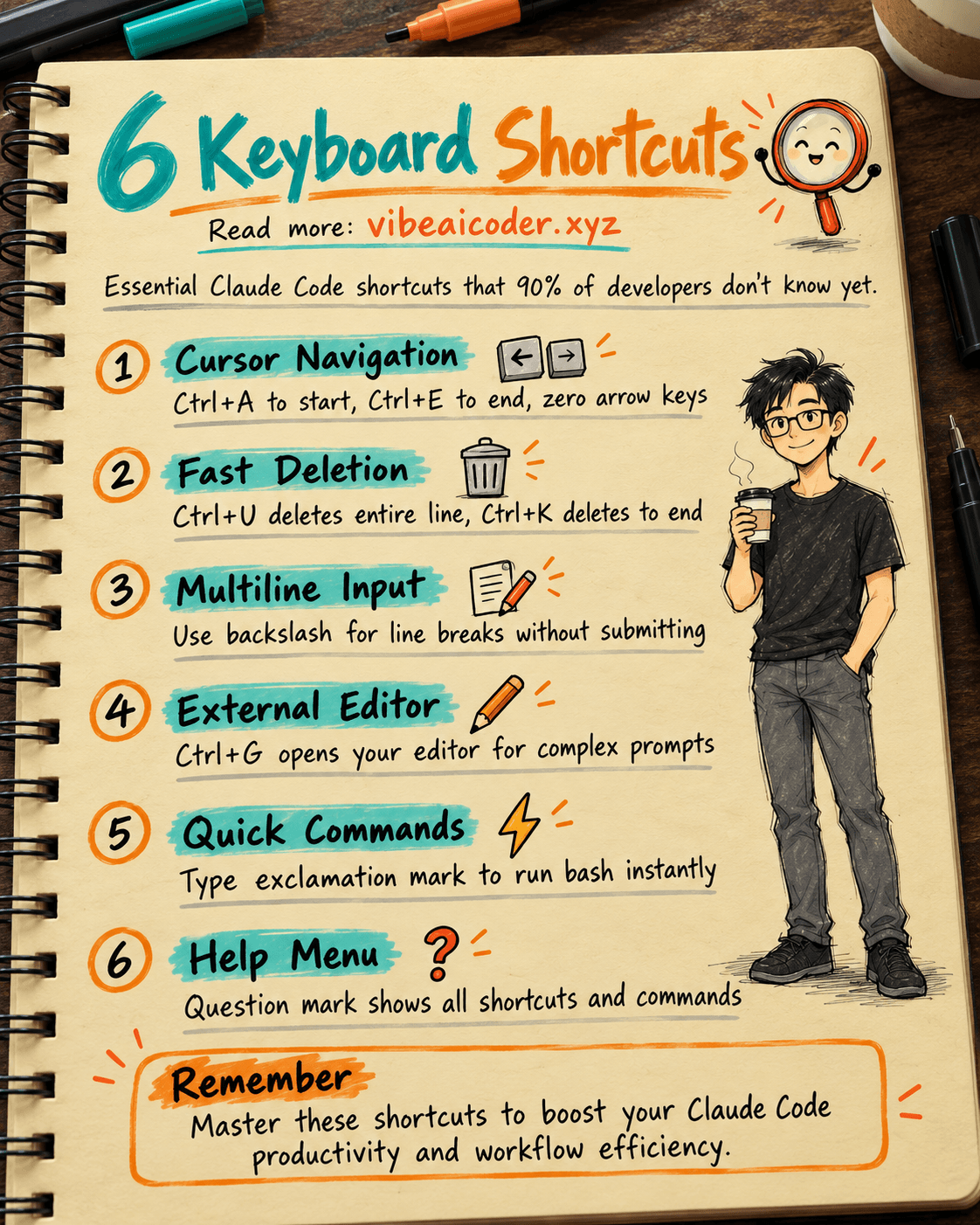
6 Claude Code Keyboard Shortcuts 90% of Developers Don't Know
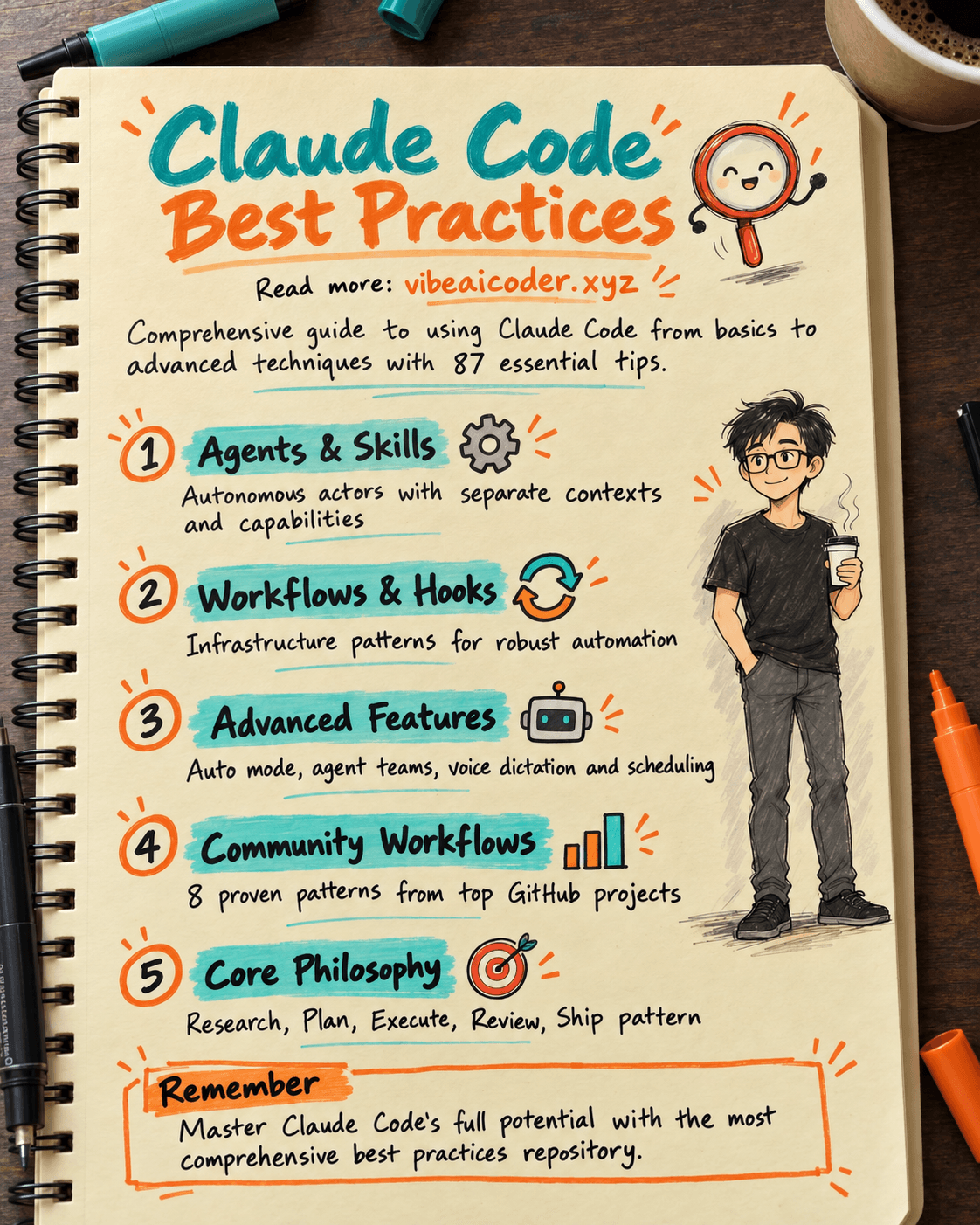
27K Stars: The Claude Code Best Practice Repository Every Developer Should Bookmark
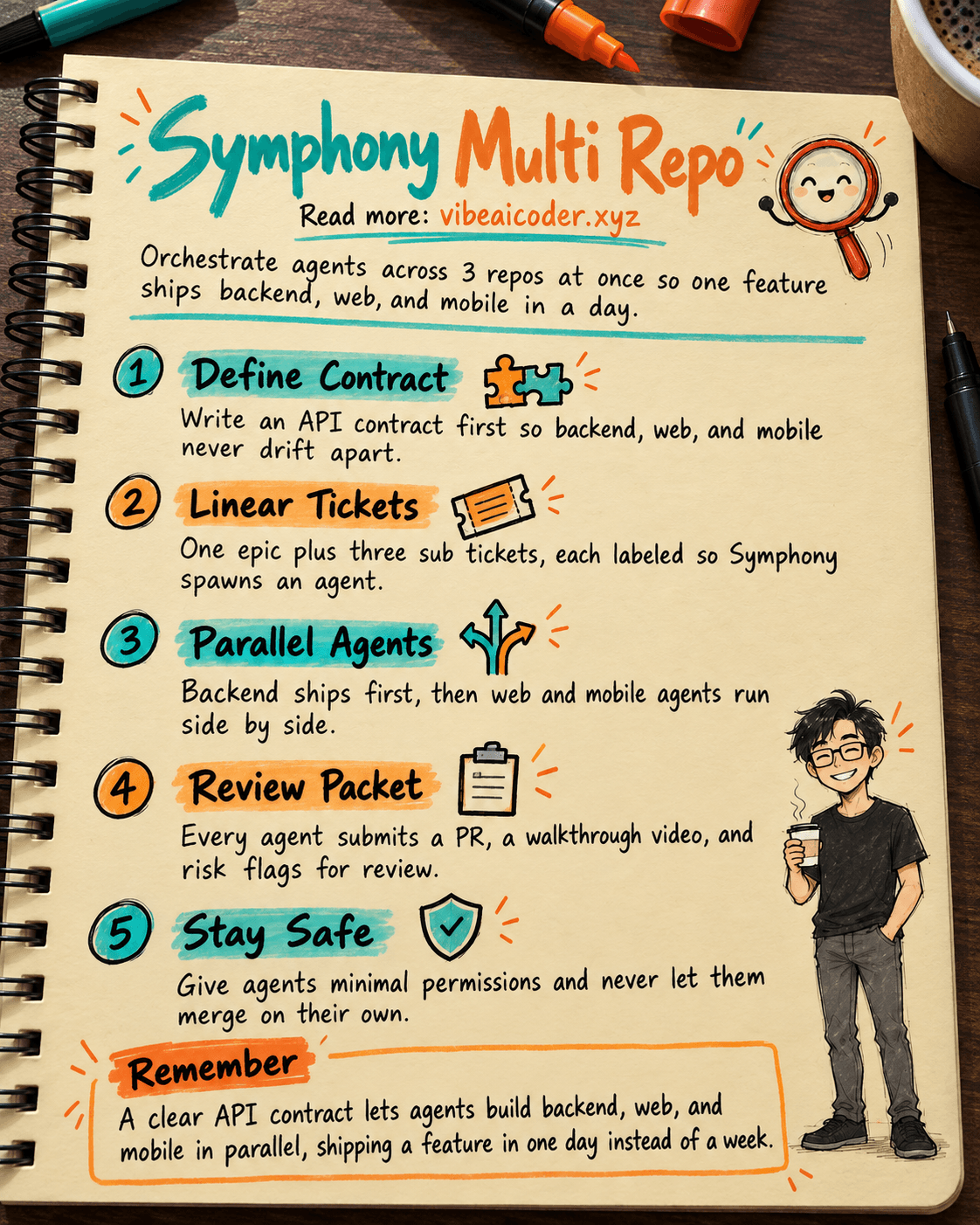
🎼 Orchestrate 3 Repos (API, Web, Mobile RN) With OpenAI Symphony to Ship a Feature in 1 Day